Online Depression Quiz: Know if You Are Depressed
Why High-Achieving Quizzers May Feel Overwhelmed
Academic competitions look thrilling from the outside: lightning-fast buzzers, encyclopedic recall, and riveting team chemistry. Inside the arena, however, young minds juggle pressure, perfectionism, and identity formation all at once. The drive to perform can be exhilarating, yet the same intensity can seed emotional fatigue, sleep disruption, and social withdrawal. When high expectations intersect with limited downtime, even the most resilient students can experience a dip in motivation or a foggy sense of burnout.
Parents and fans often see only the highlight reel. In practice, students grind through flashcards, podcasts, scrimmages, and travel schedules that collide with coursework. The cognitive load is significant; so is public visibility. A single missed toss-up can feel monumental to a teen who ties self-worth to scorelines. Understanding that dynamic is the first step toward empathy and balanced routines that prioritize wellbeing without dulling ambition.
- Competitive energy can morph into rumination when recovery time is scarce.
- Perfectionistic thinking magnifies mistakes and erodes confidence over time.
- Identity can narrow around winning, leaving little room for exploration.
- Social comparison intensifies on leaderboards and livestreams.
- Sleep, nutrition, and movement often lose priority during tournament season.
Supportive adults help learners reframe performance as one data point among many, not a referendum on character. Teams that normalize rest, calibration days, and curiosity-driven study foster durable excellence. Over the long haul, a humane tempo sustains both joy and mastery.
Recognizing Patterns and Responding Early
Early recognition does not mean pathologizing ordinary stress. It means noticing patterns that linger: persistent low mood, disengagement from once-loved events, sharp declines in focus, or irritability that crowds out collaboration. Coaches and moderators, who see students in action, are uniquely positioned to notice changes in demeanor between rounds or across a season. Families, meanwhile, can observe shifts at home, appetite, sleep rhythms, and the quality of downtime signal a lot.
When discussing lived experiences in forums or team chats, the phrase depressed quiz kids sometimes appears, and community leaders should meet that language with care, context, and resources rather than labeling. A respectful tone invites help-seeking, reduces stigma, and reinforces that emotional health matters just as much as study plans. Clear boundaries, no armchair diagnoses, no shaming, and no pressure to disclose, keep the space safe for adolescents who are still forming their voice.
Common Signals and Supportive Actions
| Observed pattern | Typical context | Supportive response | Considerations |
| Notable drop in enthusiasm | Practice sessions or scrimmages | Offer a low-stakes role and check in privately | Normalize ebb and flow across the season |
| Sleepiness and slow recall | Morning rounds or long travel days | Adjust schedules and encourage rest breaks | Protect sleep before marquee tournaments |
| Heightened self-criticism | Post-match debriefs | Model constructive feedback and strengths spotting | Discourage replaying errors repeatedly |
| Withdrawal from teammates | Between-round downtime | Invite, don’t force, connection; provide quiet space | Offer options that respect temperament |
| Somatic complaints | Pre-match jitters | Teach grounding, paced breathing, and hydration | Rule out medical concerns when symptoms persist |
Signals are signposts, not verdicts. Compassionate inquiry, “How are you feeling about next week?”, opens doors. When concerns persist, collaborating with school counselors or pediatric clinicians brings clarity and tailored care plans, ensuring students get evidence-based support while keeping their love of knowledge alive.
A Fan Website with Purpose: Real Benefits for Young Competitors
Fan culture can do more than celebrate buzzer beater moments; it can model healthy norms. A well-crafted site becomes a lighthouse for teens, parents, and coaches who crave guidance, storytelling, and practical tools. By weaving together narratives of perseverance, rest, and curiosity, the platform can counter unhelpful myths that talent must always look effortless or that excellence demands constant grind.
Community features matter. Editorial standards that foreground dignity, opt-in participation, and informed consent transform a fan space into a growth space. Content pillars, training smarts, emotional literacy, role-model interviews, and academic-planning tips, make the resource indispensable across a season. When readers find rigor and warmth in equal measure, they return, share, and contribute.
- Normalize recovery days and sustainable study habits through feature articles.
- Spotlight inclusive teams that balance achievement with belonging.
- Provide resource roundups for families seeking professional guidance.
- Publish interviews with alumni discussing setbacks and reframes.
- Offer downloadable checklists for tournament pacing and self-care.
Thoughtful SEO amplifies this mission by connecting searchers to credible insights rather than sensationalism. Clear headings, descriptive snippets, and accessible reading levels help newcomers navigate quickly. Over time, the site can seed a culture where winning is celebrated, but wellbeing is nonnegotiable.
Ethical Storytelling, Privacy, and Moderation Standards
Adolescents deserve dignity-first coverage. That begins with consent, context, and a refusal to sensationalize hardship. Stories should emphasize personal agency, protective factors, and practical coping rather than dwelling on pain. Photos must respect privacy and avoid identifiable school settings unless there is documented permission. Language choices matter: person-first phrasing and neutral tone communicate respect and reduce stigma.
Moderation frameworks protect both readers and contributors. Clear community guidelines, visible reporting tools, and trained volunteer moderators deter harassment and rumor-sharing. When sensitive disclosures occur, steer participants toward qualified help, and keep public threads focused on validation and general information. Avoid comment battles about diagnosis; a fan site is not a clinic, and boundaries safeguard everyone.
- Obtain explicit consent for interviews, quotes, and multimedia use.
- Blur or omit identifying details when minors are involved.
- Prohibit doxxing, armchair diagnostics, and performance-shaming.
- Curate resources vetted by licensed professionals or reputable institutions.
- Publish a plain-language disclaimer about informational limits.
An editorial calendar that pairs uplifting features with actionable guidance keeps the tone balanced. Evergreen primers, seasonal checklists, and structured series reduce the risk of reactive publishing, while accessibility reviews ensure all readers can benefit from the content.
Practical Support: Skills, Routines, and Collaboration
Daily rhythms support mental clarity. Hydration, sleep hygiene, sunlight exposure, movement, and mindful breaks enhance recall as much as flashcards do. Coaches can open practices with three calming breaths, rotate roles to manage cognitive load, and celebrate process milestones, not just trophies. Parents can scaffold calendars that protect downtime and diversify identities beyond competition.
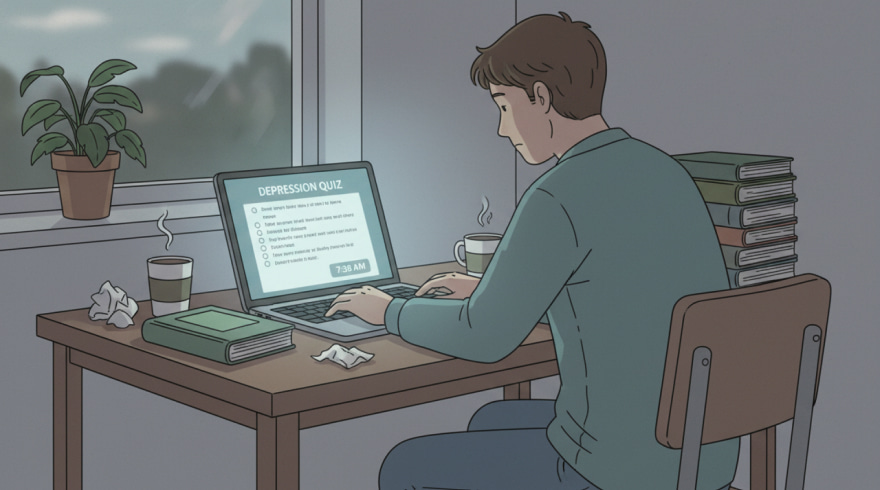
Screening tools complement caring conversations when used thoughtfully and alongside professional guidance, and a child depression quiz can be one structured option within a broader check-in routine that points families toward a clinician if results raise concern. None of these tools replace a comprehensive evaluation, but they can illuminate patterns and prompt earlier support. Curiosity beats alarmism: open questions invite teens to share what stress feels like in their own words.
- Build pre-tournament routines: fueling, warming up, and mental centering.
- Use brief reflective logs to track energy, focus, and enjoyment.
- Create opt-out signals for when breaks are needed during practice.
- Coordinate with schools so academic load and travel plans align.
- Encourage multi-dimensional identities: musician, coder, teammate, friend.
When a student struggles, collaborate early with supportive adults. School counselors, pediatricians, and mentors can help shape reasonable goals and accommodations that keep learning joyful. The aim is durable confidence, not fragile perfection.
FA:Q Supportive Answers for Caregivers, Coaches, and Fans
How can a fan community reduce stigma around emotional challenges in competitive quizzing?
Lead with empathy and information. Publish guides that explain stress, burnout, and coping through a strengths-based lens. Showcase diverse role models who discuss rest, resilience, and asking for help. Moderate discussions to discourage shaming, and avoid diagnostic labels. Over time, consistent language and visible ground rules make it safe for teens to read, learn, and speak up when they need support.
What should a coach do if a player’s performance suddenly declines?
Start with a private check-in, reflecting observations without judgment. Offer flexible roles for upcoming practices, reduce intensity temporarily, and focus on skill-building rather than outcomes. Encourage routine sleep and nutrition, and invite a parent or counselor into the conversation if concerns persist. A small adjustment now can prevent longer setbacks later, preserving both wellbeing and love for the game.
How do parents balance encouragement with avoiding pressure?
Anchor praise to effort, curiosity, and teamwork rather than wins. Co-create a weekly schedule with protected downtime and screen-light evenings. Validate feelings after tough rounds, and model reframing by asking what was learned. If stress lingers, consult a pediatric clinician for guidance, and keep communication open with coaches about travel, workload, and expectations throughout the season.
When is it appropriate to seek professional help for a young quiz competitor?
If low mood, irritability, or withdrawal persists for weeks, or daily functioning declines at school or home, involve a qualified professional. Safety concerns, significant sleep disruption, or loss of interest in valued activities also warrant prompt evaluation. Early care often means fewer disruptions to academics and competitions, making support an investment in both health and performance.
What policies should a fan site publish to protect minors?
Post clear consent procedures, privacy standards, and moderation rules. Prohibit doxxing and speculative health commentary. Provide resource links from reputable organizations and a disclaimer noting that content is informational only. Train moderators to redirect sensitive disclosures toward appropriate help and to maintain a respectful tone that prioritizes dignity for all young participants.