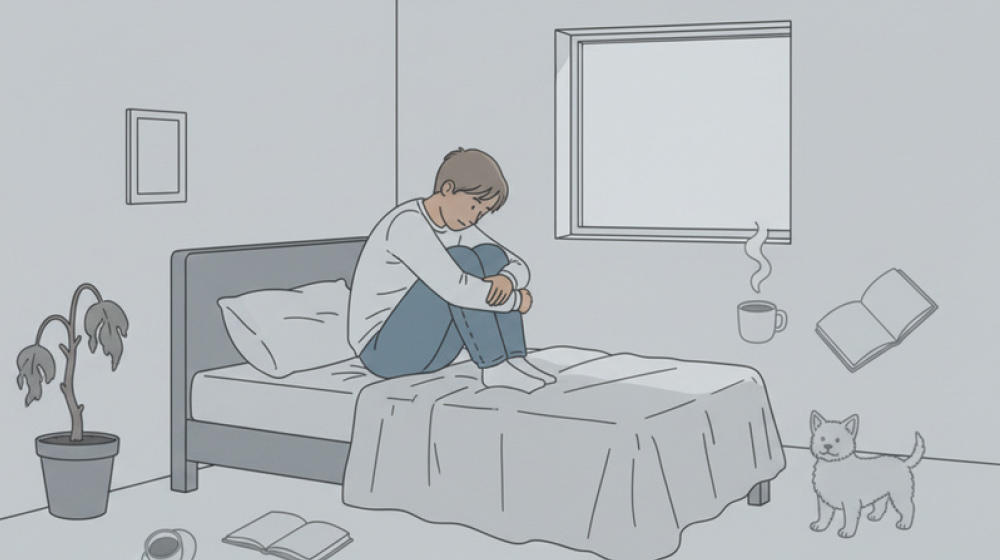
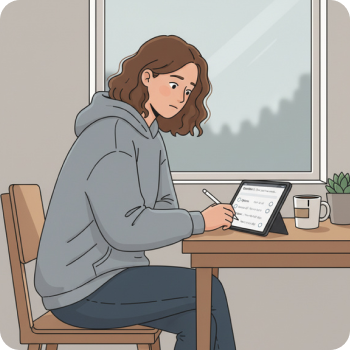
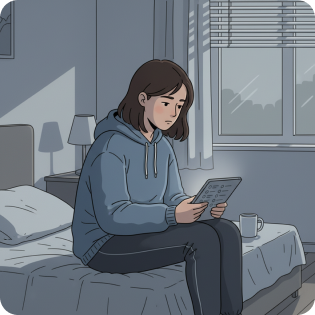
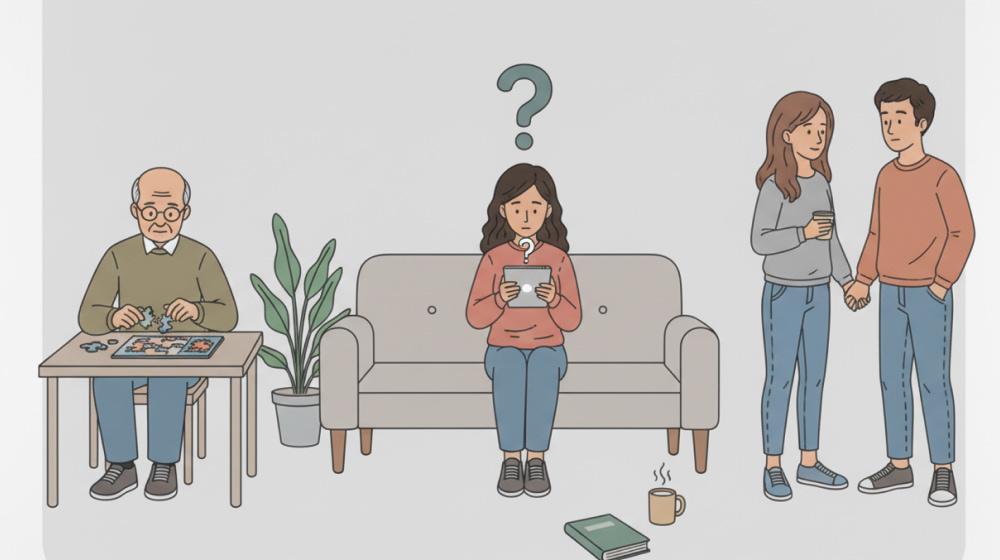
What a Depression Quiz Can and Cannot Do
Many readers use a depression quiz as an approachable first step toward understanding their mood, because a low-friction format lowers the barrier to honest reflection. The best versions explain how scoring works and provide plain-language guidance about next steps. Clear instructions, transparent privacy information, and culturally sensitive wording all help you answer more accurately, which in turn makes the results more meaningful.

One popular format resembles a how to tell if you have depression quiz that highlights common symptoms without making a diagnosis, and it encourages you to consider how long those experiences have been present. Time course matters, as does severity across work, relationships, and health behaviors. When questions anchor your answers to the past two weeks, your responses become easier to compare over time, which can support informed care decisions.
Standardized Tools
Clinics and websites may also host a depression test quiz aligned with validated screeners to maintain consistency, giving you a familiar scale that a clinician might recognize. Alignment with established tools improves interpretability, especially when you decide to bring results to a medical visit. That consistency also helps reduce confusion between different tools, keeping the focus on your lived experience rather than the quirks of a specific questionnaire.
How Quiz Works: Items, Scoring, and What Results Mean
You might encounter a signs of depression quiz that emphasizes patterns like loss of interest, sleep changes, and persistent sadness, and it usually pairs each item with a frequency scale. That structure yields a total score, plus optional sub-scores that highlight specific areas to watch. Some tools also include guidance about when to pause the assessment and seek urgent help, which is a responsible design choice that centers safety.
| Screening Tool | Typical Length | Best Use |
|---|---|---|
| Two-item mood screener | 2 questions | Fast check to flag possible concerns |
| Nine-item mood screener | 9 questions | Monitoring severity and change over time |
| Perinatal mood screener | 10 questions | Identifying concerns during pregnancy or after birth |
| Adolescent mood screener | 8–12 questions | School or family settings with age-appropriate language |
People short on time appreciate a depression test online quiz that adapts well to phones and tablets, since mobile access supports quick check-ins between appointments. Consistent formats make it easier to build a habit, and habits are powerful for noticing slow trends that day-to-day memory might miss. If scores rise or fall meaningfully, that pattern becomes a practical talking point for care planning.
Interpret With Care
For self-reflection, many wonder whether an am I depressed quiz can replace a professional evaluation, which it cannot, because nuance and safety planning require human judgment. A score might suggest elevated risk, yet only a trained clinician can integrate your history, health conditions, and preferences into a full picture. Think of the number as a starting point for dialogue rather than a conclusion.
How Depression Quizzes Can Guide, Not Replace, Care
It is tempting to click a do I have depression quiz and expect certainty, yet ethical platforms always communicate limits, and they encourage follow-up when results are concerning. Limitations do not negate usefulness; they simply define the role these tools can play. Clear boundaries help you use information wisely and avoid overgeneralizing from a single snapshot.

Busy professionals often start with a quick depression quiz to gauge whether deeper support might help, and then they schedule time to explore the findings in more depth. When that follow-up includes practical steps, like adjusting sleep routines, reconnecting with friends, or discussing therapy, scores often become more meaningful as part of a larger process of change.
Choosing the Right Fit for Different People and Contexts
Educators look for a depression quiz for teens that uses age-appropriate language and context, which helps younger people answer honestly without feeling pathologized. Involving caregivers and offering school counseling pathways also increases the likelihood that results turn into meaningful support. Respect for autonomy and confidentiality remains vital throughout the process. New parents sometimes prefer a postpartum depression quiz built around experiences after birth, including sleep deprivation and bonding stressors, so the items resonate with current challenges. Screening during prenatal visits and in the months after delivery can catch concerns early, when supportive interventions make the biggest difference for the whole family.
Using Results Wisely: Next Steps and When to Seek Help
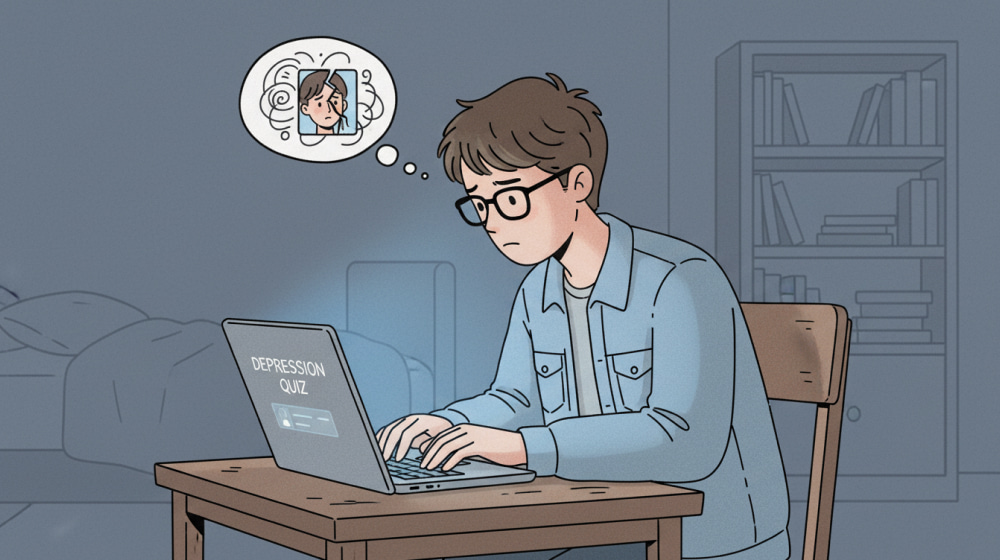
Some readers ask a reflective why am i depressed quiz question, hoping for causes, yet a score mainly signals current symptom burden, not underlying origins. Causes are typically layered, biology, stress, loss, trauma, and environment, so exploring them works best with a clinician who can integrate your story over time. Bringing your results can anchor that conversation in concrete examples. If intensity feels unclear, a structured how bad is my depression quiz can help you track changes over time, which is valuable during treatment or life transitions. Using the same tool consistently turns scores into a trendline, and trendlines make it easier to see what is helping. This approach keeps the focus on progress rather than perfection.

Workplaces adopting screenings sometimes roll out a depression quiz for adults to encourage staff to notice patterns early, and they pair it with confidential pathways to care. If any response includes thoughts of self-harm or suicide, seek immediate help by calling local emergency services or a crisis line in your country. Safety always comes first, and reaching out quickly can be life-saving.
Frequently Asked Questions
The Latest News
Please Note
This website (depressionquizclub.com) is not an official representative, creator or developer of this application, game, or product. All the copyrighted materials belong to their respective owners. All the content on this website is used for educational and informative purposes only.